
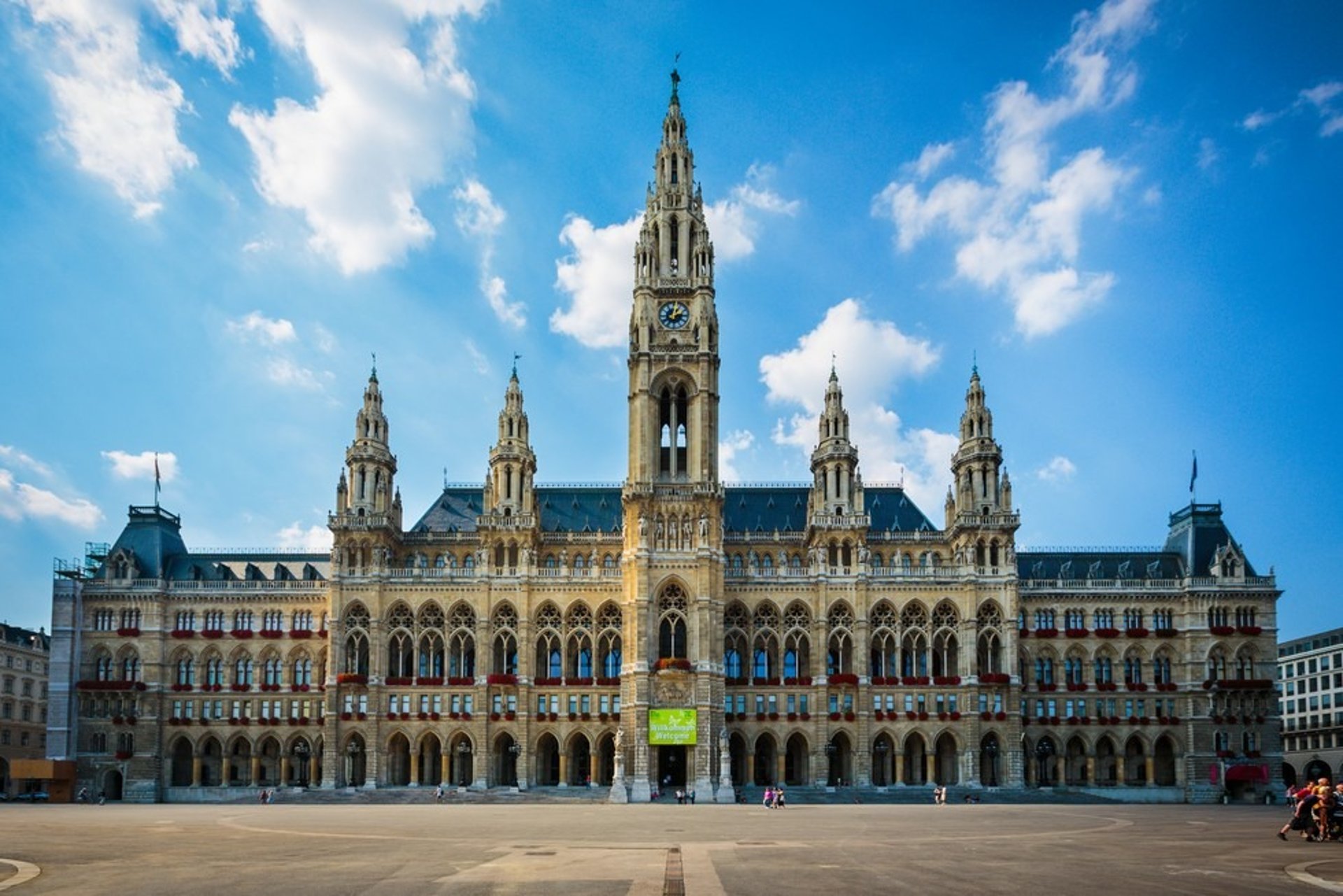
Austria Best Day Trips & Activities. Explore Imperial Cities & Alpine Adventures
From Vienna's concert halls to the peaks of the Tyrol
Imperial Grandeur & Alpine Soul
TravelWell Guide
Austria Best Day Trips & Activities. Explore Imperial Cities & Alpine Adventures
From Vienna's concert halls to the peaks of the Tyrol
Imperial Grandeur & Alpine Soul
TravelWell Guide
Why Travelers Love It
Austria carries its history with extraordinary grace. Vienna was for centuries the capital of one of the world's great empires, and the city still feels imperial, in the best possible way. The Habsburgs built Schönbrunn Palace, the Vienna State Opera, the Kunsthistorisches Museum, and the Ringstrasse boulevard, and all of it still stands, still functions, still takes your breath away. The coffeehouse culture, UNESCO-recognised as intangible cultural heritage, is not a tourist attraction but a way of life: marble tables, newspapers on wooden holders, Melange coffee, and a slice of Sachertorte, with no one in any hurry to move you along. Beyond Vienna, Salzburg gives you Mozart and mountain backdrops in equal measure. And the Austrian Alps, whether you're skiing in the Tyrol, hiking in the Salzkammergut, or simply staring at Hallstatt's mirror-lake reflection, offer some of the most beautiful Alpine scenery in the world.

Musical Heritage Alpine Skiing
Imperial Palaces Coffeehouse Culture
Why Travelers Keep Coming Back to Austria
Austria rewards those who engage with it on its own terms. The country takes its cultural traditions seriously - Viennese Kaffeehauskultur (coffee house culture) is a UNESCO Intangible Cultural Heritage - and travelers who lean into that formality find something rare: a place where quality and craft are genuinely valued in daily life. The food has evolved from stodgy stereotype to genuinely exciting. The wine (particularly Gruner Veltliner and Riesling from the Wachau) is world-class. And the scenery - from the Grossglockner high Alpine road to the Hallstatt lake - is extraordinary.
Best Time to Visit Austria
Summer (June - August)
is ideal for the Alps and lake district. Hiking trails are fully open, the lakes are warm enough to swim, and long Alpine days make every outing feel unhurried.
Winter (December - March)
is ski season - St. Anton, Kitzbuhel, Ischgl, and Zell am See are world-class. Vienna's Christmas markets (particularly at the Rathausplatz and Schonbrunn) are among Europe's finest.
Spring (April- May)
sees Vienna at its most pleasant - the Prater's chestnut trees in blossom, the Spanish Riding School in full season, and the Wachau vineyards turning green.
Autumn (September - October)
is wine harvest season in the Wachau and Burgenland, with golden light across the Danube valley and the Alpine foliage turning.
Why Travelers Love It
Austria carries its history with extraordinary grace. Vienna was for centuries the capital of one of the world's great empires, and the city still feels imperial, in the best possible way. The Habsburgs built Schönbrunn Palace, the Vienna State Opera, the Kunsthistorisches Museum, and the Ringstrasse boulevard, and all of it still stands, still functions, still takes your breath away. The coffeehouse culture, UNESCO-recognised as intangible cultural heritage, is not a tourist attraction but a way of life: marble tables, newspapers on wooden holders, Melange coffee, and a slice of Sachertorte, with no one in any hurry to move you along. Beyond Vienna, Salzburg gives you Mozart and mountain backdrops in equal measure. And the Austrian Alps, whether you're skiing in the Tyrol, hiking in the Salzkammergut, or simply staring at Hallstatt's mirror-lake reflection, offer some of the most beautiful Alpine scenery in the world.

Musical Heritage Alpine Skiing
Imperial Palaces Coffeehouse Culture
Why Travelers Keep Coming Back to Austria
Austria rewards those who engage with it on its own terms. The country takes its cultural traditions seriously - Viennese Kaffeehauskultur (coffee house culture) is a UNESCO Intangible Cultural Heritage - and travelers who lean into that formality find something rare: a place where quality and craft are genuinely valued in daily life. The food has evolved from stodgy stereotype to genuinely exciting. The wine (particularly Gruner Veltliner and Riesling from the Wachau) is world-class. And the scenery - from the Grossglockner high Alpine road to the Hallstatt lake - is extraordinary.
Best Time to Visit Austria
Summer (June - August)
is ideal for the Alps and lake district. Hiking trails are fully open, the lakes are warm enough to swim, and long Alpine days make every outing feel unhurried.
Winter (December - March)
is ski season - St. Anton, Kitzbuhel, Ischgl, and Zell am See are world-class. Vienna's Christmas markets (particularly at the Rathausplatz and Schonbrunn) are among Europe's finest.
Spring (April- May)
sees Vienna at its most pleasant - the Prater's chestnut trees in blossom, the Spanish Riding School in full season, and the Wachau vineyards turning green.
Autumn (September - October)
is wine harvest season in the Wachau and Burgenland, with golden light across the Danube valley and the Alpine foliage turning.
Explore by City


Vienna for imperial grandeur and cultural depth. Salzburg for Mozart, baroque beauty, and Sound of Music landscapes. Innsbruck for Alpine adventure at your doorstep. Hallstatt for one of the world's most photographed villages. Graz for design, food, and a pace that feels entirely its own
Getting Around Austria
Austria's rail network (ÖBB) is excellent and punctual. Vienna to Salzburg takes 2.5 hours by high-speed train; Vienna to Innsbruck around 4 hours. Day trips to the Wachau are straightforward by regional train. For the Salzkammergut and Alpine villages, PostBuses fill the gaps the trains don't reach. A car is useful for flexibility in the mountains.
Top Regions & What to See
Vienna
Vienna is a city that operates at a different frequency. The Kunsthistorisches Museum (one of the world's great art collections), the Belvedere (Klimt's The Kiss), the Staatsoper (State Opera), St. Stephen's Cathedral, and the imperial rooms of the Hofburg and Schonbrunn palaces - all within a walkable, elegant city centre. But Vienna is also the coffee houses: Cafe Central, Cafe Landtmann, and Cafe Hawelka are not tourist traps, they're institutions. Spend a morning with a Melange and a newspaper, slowly, as intended.
Day trips from Vienna include the wine villages of the Wachau (Durnstein, Weissenkirchen), the Benedictine monastery at Melk (dramatically perched above the Danube), and the baroque town of Krems.
Salzburg
Mozart's birthplace is a compact, beautiful, and relentlessly musical city. The Altstadt (old town) is UNESCO-listed - dominated by the Hohensalzburg Fortress above and the Salzach river below. The Mirabell Gardens (Sound of Music filming location), the Getreidegasse shopping street, and the Mozart Wohnhaus are all within walking distance. Day trips from Salzburg into the Salzkammergut and to Berchtesgaden in Germany are excellent.
The Salzkammergut
Austria's lake district is concentrated around a series of Alpine lakes - Hallstatt (a UNESCO World Heritage Site, with a village so picturesque it has been replicated in China), Wolfgangsee, Mondsee, and Traunsee. Swimming, hiking, boating, and simply existing in the landscape are the main activities. All are reachable from Salzburg or Vienna as day trips.
The Tyrolean Alps
Innsbruck is Austria's Alpine capital - a city with a medieval old town, the golden Goldenes Dachl (Golden Roof), and ski slopes within a 15-minute cable car ride of the city centre. The surrounding Tyrol region contains some of Europe's finest mountain scenery: the Ötztal (home of Ötzi the Iceman), the Zillertal, and the approach roads to the Grossglockner, Austria's highest peak.
The Wachau Valley
The 36km stretch of the Danube between Melk and Krems is one of Europe's finest river landscapes - terraced vineyards, ruined castles, baroque monasteries, and apricot orchards that bloom pink in April. Cycle the dedicated Danube Cycle Path (Donauradweg) or take the boat between Melk and Durnstein for the classic view.
Explore by City

Vienna for imperial grandeur and cultural depth. Salzburg for Mozart, baroque beauty, and Sound of Music landscapes. Innsbruck for Alpine adventure at your doorstep. Hallstatt for one of the world's most photographed villages. Graz for design, food, and a pace that feels entirely its own
Getting Around Portugal
Austria's rail network (ÖBB) is excellent and punctual. Vienna to Salzburg takes 2.5 hours by high-speed train; Vienna to Innsbruck around 4 hours. Day trips to the Wachau are straightforward by regional train. For the Salzkammergut and Alpine villages, PostBuses fill the gaps the trains don't reach. A car is useful for flexibility in the mountains.
Top Regions & What to See
Vienna
Vienna is a city that operates at a different frequency. The Kunsthistorisches Museum (one of the world's great art collections), the Belvedere (Klimt's The Kiss), the Staatsoper (State Opera), St. Stephen's Cathedral, and the imperial rooms of the Hofburg and Schonbrunn palaces - all within a walkable, elegant city centre. But Vienna is also the coffee houses: Cafe Central, Cafe Landtmann, and Cafe Hawelka are not tourist traps, they're institutions. Spend a morning with a Melange and a newspaper, slowly, as intended.
Day trips from Vienna include the wine villages of the Wachau (Durnstein, Weissenkirchen), the Benedictine monastery at Melk (dramatically perched above the Danube), and the baroque town of Krems.
Salzburg
Mozart's birthplace is a compact, beautiful, and relentlessly musical city. The Altstadt (old town) is UNESCO-listed - dominated by the Hohensalzburg Fortress above and the Salzach river below. The Mirabell Gardens (Sound of Music filming location), the Getreidegasse shopping street, and the Mozart Wohnhaus are all within walking distance. Day trips from Salzburg into the Salzkammergut and to Berchtesgaden in Germany are excellent.
The Salzkammergut
Austria's lake district is concentrated around a series of Alpine lakes - Hallstatt (a UNESCO World Heritage Site, with a village so picturesque it has been replicated in China), Wolfgangsee, Mondsee, and Traunsee. Swimming, hiking, boating, and simply existing in the landscape are the main activities. All are reachable from Salzburg or Vienna as day trips.
The Tyrolean Alps
Innsbruck is Austria's Alpine capital - a city with a medieval old town, the golden Goldenes Dachl (Golden Roof), and ski slopes within a 15-minute cable car ride of the city centre. The surrounding Tyrol region contains some of Europe's finest mountain scenery: the Ötztal (home of Ötzi the Iceman), the Zillertal, and the approach roads to the Grossglockner, Austria's highest peak.
The Wachau Valley
The 36km stretch of the Danube between Melk and Krems is one of Europe's finest river landscapes - terraced vineyards, ruined castles, baroque monasteries, and apricot orchards that bloom pink in April. Cycle the dedicated Danube Cycle Path (Donauradweg) or take the boat between Melk and Durnstein for the classic view.
Don't Miss
Hallstatt
Mozart was born here. Beethoven lived here. Strauss waltzed here. Vienna's musical heritage is not a museum piece but a living tradition, the Vienna Philharmonic, the State Opera, and hundreds of concert halls continue to perform at the highest level year-round. Dress up and go.
Vienna's Musical Legacy
The Austrian Alps
Hallstatt is almost impossibly beautiful, a tiny Alpine village of pastel-coloured houses perched between a glassy mountain lake and sheer cliff faces. It's the village that inspired the kingdom of Arendelle in Frozen, and in person it's every bit as magical as that suggests. Stay overnight once the day-trippers leave and you'll have it nearly to yourself.
Whether you're skiing in St. Anton, hiking the Eagle Walk in the Tyrol, or cruising the lakes of the Salzkammergut by boat, the Austrian Alps deliver year-round. The infrastructure, cable cars, mountain huts, alpine roads, is world-class, making it accessible without losing any of the drama.
Austria Day Trips & Activities
Austria is a country that seems designed to make travelers feel that life, at its best, is a very refined business. Vienna's coffee houses, where Freud and Klimt once sat, are still open and still serious about their Melange. The Alpine villages of the Salzkammergut operate on the same unhurried pace they always have. And the music - Mozart, Beethoven, Brahms, Mahler, Strauss - still fills the concert halls with an intensity that makes you understand why it all came from here.
But Austria is not just high culture and imperial grandeur. It's also one of Europe's finest outdoor destinations - mountain hiking in summer, world-class skiing in winter, cycling the Danube in spring, and exploring a lake district so beautiful that it served as the backdrop for The Sound of Music. Compact enough to see a great deal in a short time, varied enough to reward a long stay.
Don't Miss
Hallstatt
Mozart was born here. Beethoven lived here. Strauss waltzed here. Vienna's musical heritage is not a museum piece but a living tradition, the Vienna Philharmonic, the State Opera, and hundreds of concert halls continue to perform at the highest level year-round. Dress up and go.
Vienna's Musical Legacy
The Austrian Alps
Hallstatt is almost impossibly beautiful, a tiny Alpine village of pastel-coloured houses perched between a glassy mountain lake and sheer cliff faces. It's the village that inspired the kingdom of Arendelle in Frozen, and in person it's every bit as magical as that suggests. Stay overnight once the day-trippers leave and you'll have it nearly to yourself.
Whether you're skiing in St. Anton, hiking the Eagle Walk in the Tyrol, or cruising the lakes of the Salzkammergut by boat, the Austrian Alps deliver year-round. The infrastructure, cable cars, mountain huts, alpine roads, is world-class, making it accessible without losing any of the drama.
Austria Day Trips & Activities
Austria is a country that seems designed to make travelers feel that life, at its best, is a very refined business. Vienna's coffee houses, where Freud and Klimt once sat, are still open and still serious about their Melange. The Alpine villages of the Salzkammergut operate on the same unhurried pace they always have. And the music - Mozart, Beethoven, Brahms, Mahler, Strauss - still fills the concert halls with an intensity that makes you understand why it all came from here.
But Austria is not just high culture and imperial grandeur. It's also one of Europe's finest outdoor destinations - mountain hiking in summer, world-class skiing in winter, cycling the Danube in spring, and exploring a lake district so beautiful that it served as the backdrop for The Sound of Music. Compact enough to see a great deal in a short time, varied enough to reward a long stay.
Top Reasons to Visit
✔ A living musical legacy, Mozart, Beethoven, and Strauss all called Austria home, and the tradition continues today at the highest level
✔ Vienna's coffeehouse culture, a UNESCO Intangible Cultural Heritage and one of Europe's great civilised pleasures
✔ Hallstatt, simply one of the most breathtaking villages on the planet
✔ World-class skiing and Alpine scenery in every season, from powder-deep winters to wildflower-filled summers
✔ Vienna: Wiener Schnitzel (veal, not pork - properly, at Figlmuller), Tafelspitz (boiled beef with horseradish), Apfelstrudel, Sacher-Torte (at the Hotel Sacher, once in your life), and the elaborate Kaffeehausjause (coffee house afternoon cake ritual)
✔ Salzburg: Salzburger Nockerl (a fluffy baked souffle dessert), fresh trout from Alpine lakes, Mozartkugeln (chocolate marzipan balls - get the originals from Furst)
✔ Styria: pumpkin seed oil on everything, Styrian beef, and Schilcher rosa wine
✔ Wine: Gruner Veltliner (Austria's signature white - peppery, fresh, excellent with food), Riesling from the Wachau, and increasingly impressive reds from Burgenland's Blaufrankisch grape
What to Eat & Drink
Top Reasons to Visit
✔ A living musical legacy, Mozart, Beethoven, and Strauss all called Austria home, and the tradition continues today at the highest level
✔ Vienna's coffeehouse culture, a UNESCO Intangible Cultural Heritage and one of Europe's great civilised pleasures
✔ Hallstatt, simply one of the most breathtaking villages on the planet
✔ World-class skiing and Alpine scenery in every season, from powder-deep winters to wildflower-filled summers