
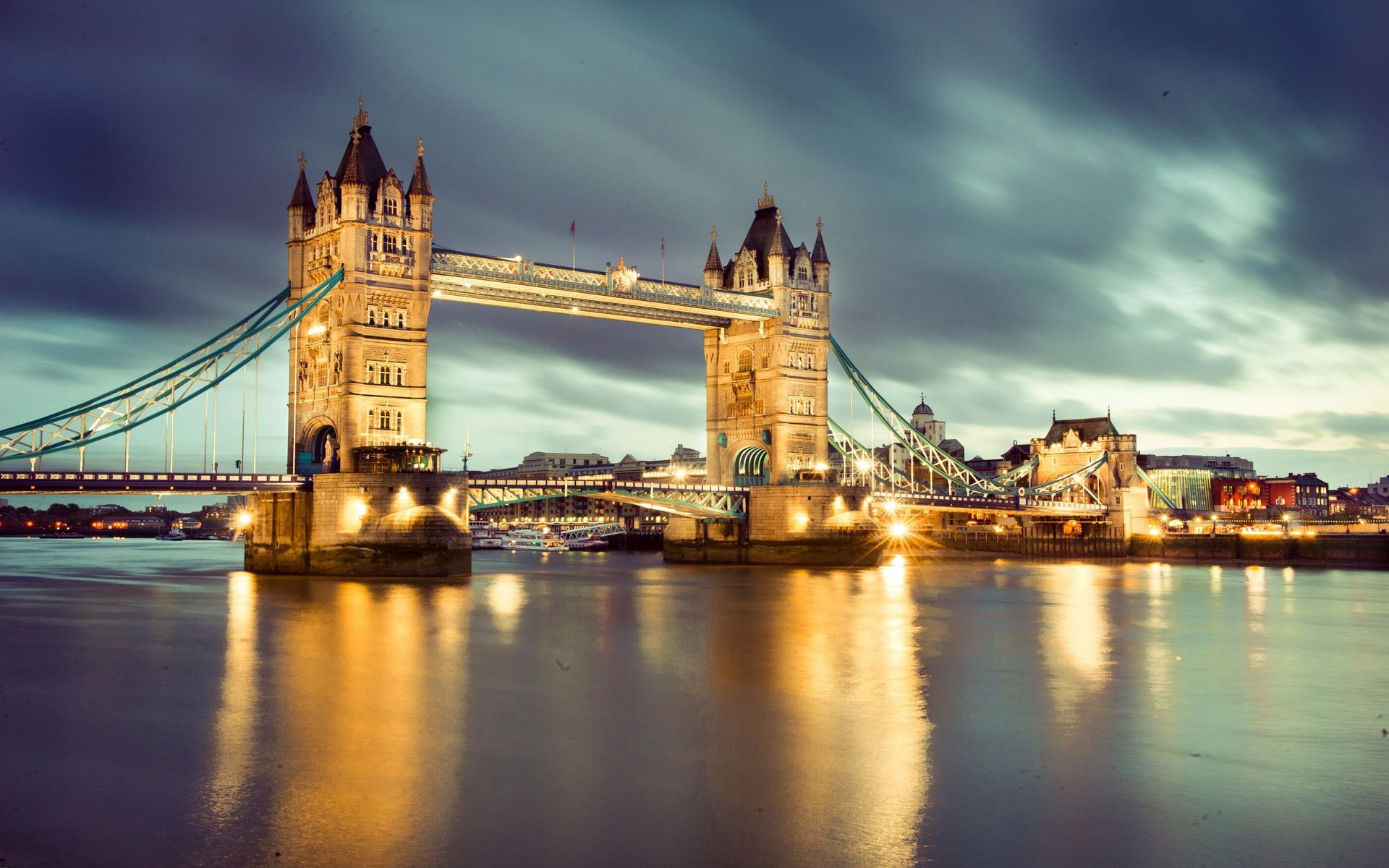
England Best Day Trips & Activities. Explore Iconic Landmarks
From London's iconic skyline to rolling countryside & dramatic coastlines
Timeless, Charming & Endlessly Surprising
TravelWell Guide
England Best Day Trips & Activities. Explore Iconic Landmarks
From London's iconic skyline to rolling countryside & dramatic coastlines
Timeless, Charming & Endlessly Surprising
TravelWell Guide
Why Travelers Love It
England is a place that somehow manages to be both deeply familiar and endlessly surprising. London, one of the world's truly great world cities, offers more in a week than most countries do in a lifetime: the British Museum, the National Gallery, the South Bank, Borough Market, the West End, and a neighbourhoods-within-neighbourhoods structure that means locals and tourists alike are always discovering something new. But England beyond London is where the country really opens up. The Cotswolds village of Bourton-on-the-Water looks like a film set of an English village, and it's the real thing. The Lake District gave Wordsworth and Beatrix Potter their landscapes. Cornwall's coastline, dramatic sea cliffs, hidden coves, and turquoise water, could belong to the Mediterranean. And Stonehenge, standing on Salisbury Plain for 5,000 years, is one of humanity's most mysterious achievements. England is layered, literary, self-deprecating, and full of more beauty than it ever takes credit for.

🏰 Historic Castles 🎭 World-class Theatre
🌿 Countryside Villages 🎓 Ancient Universities
Why Travelers Keep Coming Back to England
England rewards both the first-time visitor and the returning traveler. First-timers come for the icons - Stonehenge, the Tower of London, Buckingham Palace, the Cotswolds - and are not disappointed. Those who return start peeling back layers: the literary landscapes (Hardy's Dorset, Austen's Bath, Wordsworth's Lake District), the independent food scenes of Manchester and Bristol, the wild swimming spots of Devon and Cornwall, and the quiet, understated beauty of the English countryside in a particular light on a particular afternoon.
Best Time to Visit England
Spring (April - June)
is beautiful - bluebells in the woodlands, the Chelsea Flower Show in May, long evenings, and the countryside at its freshest. Ideal for walking and outdoor sightseeing.
Summer (July - August)
is peak season - warm weather (usually), long days, and a packed festival calendar. The Cotswolds and the Lake District are busy; book accommodation in advance.
Autumn (September - October)
is arguably England at its finest - golden light, quieter attractions, and the landscape turning. The harvest festivals and coastal walks in autumn are outstanding.
Winter (November - March)
is grey and often wet - but Christmas in England is genuinely atmospheric (markets, carol services, country house decorations), and the major museums and galleries are quieter and easier to enjoy.
Why Travelers Love It
England is a place that somehow manages to be both deeply familiar and endlessly surprising. London, one of the world's truly great world cities, offers more in a week than most countries do in a lifetime: the British Museum, the National Gallery, the South Bank, Borough Market, the West End, and a neighbourhoods-within-neighbourhoods structure that means locals and tourists alike are always discovering something new. But England beyond London is where the country really opens up. The Cotswolds village of Bourton-on-the-Water looks like a film set of an English village, and it's the real thing. The Lake District gave Wordsworth and Beatrix Potter their landscapes. Cornwall's coastline, dramatic sea cliffs, hidden coves, and turquoise water, could belong to the Mediterranean. And Stonehenge, standing on Salisbury Plain for 5,000 years, is one of humanity's most mysterious achievements. England is layered, literary, self-deprecating, and full of more beauty than it ever takes credit for.
🏰 Historic Castles 🎭 World-class Theatre
🌿 Countryside Villages 🎓 Ancient Universities
Why Travelers Keep Coming Back to England
England rewards both the first-time visitor and the returning traveler. First-timers come for the icons - Stonehenge, the Tower of London, Buckingham Palace, the Cotswolds - and are not disappointed. Those who return start peeling back layers: the literary landscapes (Hardy's Dorset, Austen's Bath, Wordsworth's Lake District), the independent food scenes of Manchester and Bristol, the wild swimming spots of Devon and Cornwall, and the quiet, understated beauty of the English countryside in a particular light on a particular afternoon.
Best Time to Visit England
Spring (April - June)
is beautiful - bluebells in the woodlands, the Chelsea Flower Show in May, long evenings, and the countryside at its freshest. Ideal for walking and outdoor sightseeing.
Summer (July - August)
is peak season - warm weather (usually), long days, and a packed festival calendar. The Cotswolds and the Lake District are busy; book accommodation in advance.
Autumn (September - October)
is arguably England at its finest - golden light, quieter attractions, and the landscape turning. The harvest festivals and coastal walks in autumn are outstanding.
Winter (November - March)
is grey and often wet - but Christmas in England is genuinely atmospheric (markets, carol services, country house decorations), and the major museums and galleries are quieter and easier to enjoy.
Explore by City


London for world-class everything. Bath for Roman history and Georgian elegance. Oxford for dreaming spires and one of the world's great universities. York for Viking history and medieval walls. Cornwall for wild coastlines and the best seafood in England.
Getting Around England
The national rail network connects London to most major cities efficiently - London to Bath 1.5 hours, to York 2 hours, to the Lake District 3 hours. For the Cotswolds, car hire is the most practical option (public transport is limited). The National Express coach network is slower but significantly cheaper. Within cities, trams and buses are well developed.
Top Regions & What to See
London & the Southeast
London needs no introduction - but it deserves time rather than a checklist. The British Museum, the National Gallery, Tate Modern, the V&A (all free), the Tower of London, Greenwich, Borough Market, and the view from Parliament Hill are starting points, not endpoints. Day trips from London are exceptional: Stonehenge (mysterious even after all the photographs), Bath (the finest Roman and Georgian city in England), Brighton (seaside culture, the Royal Pavilion, excellent food), Windsor Castle, and the university city of Oxford.
The Cotswolds
The English countryside at its most archetypal - honey-stone villages, drystone walls, Norman churches, and tea rooms. Bourton-on-the-Water, Burford, Chipping Campden, and Bibury are the most famous, but the real Cotswolds is found on the quieter footpaths between villages. Best explored on a circular walk or by car on an unhurried afternoon.
Cambridge & East Anglia
Cambridge is one of the world's great university cities - punting on the Backs (the river behind the college gardens), King's College Chapel (its choir is the sound of English choral tradition), and the Fitzwilliam Museum. The flat, open landscape of Norfolk and Suffolk surrounds it: the Norfolk Broads, Aldeburgh's shingle beach, and Bury St Edmunds' abbey ruins.
The Lake District
England's most celebrated national park - Windermere, Coniston, Ullswater, and Wastwater surrounded by fells that inspired Wordsworth, Ruskin, and Beatrix Potter. Walking here ranges from gentle lakeside strolls to serious ridge scrambles. Grasmere (Dove Cottage), Ambleside, and Keswick are the main bases.
Yorkshire & the North
York is extraordinary - the medieval Shambles, the Gothic Minster (the largest medieval cathedral in Northern Europe), the city walls, and the Viking history at Jorvik. The Yorkshire Dales and North York Moors offer some of England's finest walking. Whitby (Dracula's cliff-top abbey) and the James Herriot country of Herriot Way are compelling day trips.
Explore by City

London for world-class everything. Bath for Roman history and Georgian elegance. Oxford for dreaming spires and one of the world's great universities. York for Viking history and medieval walls. Cornwall for wild coastlines and the best seafood in England.
Getting Around England
The national rail network connects London to most major cities efficiently - London to Bath 1.5 hours, to York 2 hours, to the Lake District 3 hours. For the Cotswolds, car hire is the most practical option (public transport is limited). The National Express coach network is slower but significantly cheaper. Within cities, trams and buses are well developed.
Top Regions & What to See
London & the Southeast
London needs no introduction - but it deserves time rather than a checklist. The British Museum, the National Gallery, Tate Modern, the V&A (all free), the Tower of London, Greenwich, Borough Market, and the view from Parliament Hill are starting points, not endpoints. Day trips from London are exceptional: Stonehenge (mysterious even after all the photographs), Bath (the finest Roman and Georgian city in England), Brighton (seaside culture, the Royal Pavilion, excellent food), Windsor Castle, and the university city of Oxford.
The Cotswolds
The English countryside at its most archetypal - honey-stone villages, drystone walls, Norman churches, and tea rooms. Bourton-on-the-Water, Burford, Chipping Campden, and Bibury are the most famous, but the real Cotswolds is found on the quieter footpaths between villages. Best explored on a circular walk or by car on an unhurried afternoon.
Cambridge & East Anglia
Cambridge is one of the world's great university cities - punting on the Backs (the river behind the college gardens), King's College Chapel (its choir is the sound of English choral tradition), and the Fitzwilliam Museum. The flat, open landscape of Norfolk and Suffolk surrounds it: the Norfolk Broads, Aldeburgh's shingle beach, and Bury St Edmunds' abbey ruins.
The Lake District
England's most celebrated national park - Windermere, Coniston, Ullswater, and Wastwater surrounded by fells that inspired Wordsworth, Ruskin, and Beatrix Potter. Walking here ranges from gentle lakeside strolls to serious ridge scrambles. Grasmere (Dove Cottage), Ambleside, and Keswick are the main bases.
Yorkshire & the North
York is extraordinary - the medieval Shambles, the Gothic Minster (the largest medieval cathedral in Northern Europe), the city walls, and the Viking history at Jorvik. The Yorkshire Dales and North York Moors offer some of England's finest walking. Whitby (Dracula's cliff-top abbey) and the James Herriot country of Herriot Way are compelling day trips.
Don't Miss
The Cotswolds
No photograph fully prepares you for standing before Stonehenge. Built in stages between 3000 and 1500 BC, the stone circle on Salisbury Plain remains one of archaeology's great mysteries. The summer solstice sunrise, when light aligns perfectly through the stones, draws visitors from every corner of the world. Book a special access dawn visit if you can.
Stonehenge
Cornwall
The Cotswolds is England at its most picturesque, a designated Area of Outstanding Natural Beauty stretching across six counties, dotted with villages of honey-coloured limestone that seem almost too perfect to be real. Castle Combe, Bourton-on-the-Water, and Bibury are the most famous. Go on a weekday morning to see them at their quietest.
England's far southwest peninsula is a world apart. The coastline, rugged cliffs, white sand coves, turquoise sea, is genuinely Mediterranean in quality on a good summer's day. The Minack Theatre, carved into a clifftop above the sea, is one of the world's most spectacular performance venues. Padstow's restaurant scene, led by Rick Stein, makes Cornwall a serious food destination too.
England Day Trips & Activities
England is a country that contains multitudes - within a relatively compact geography, it moves from the wild moorlands of the north to the manicured villages of the Cotswolds, from the ancient stones of Salisbury Plain to the cutting-edge galleries of the Baltic coast. London is one of the world's great cities, but it's also just the beginning: England's countryside, coast, and provincial cities each offer something entirely their own.
For day trippers and experience seekers, England is outstanding. The network of historic sites, national parks, market towns, and coastal walks is dense and accessible - and the range of guided experiences, from punting in Cambridge to walking the White Cliffs of Dover to exploring Bronte country in the Yorkshire Dales, is genuinely extraordinary.
Don't Miss
The Cotswolds
No photograph fully prepares you for standing before Stonehenge. Built in stages between 3000 and 1500 BC, the stone circle on Salisbury Plain remains one of archaeology's great mysteries. The summer solstice sunrise, when light aligns perfectly through the stones, draws visitors from every corner of the world. Book a special access dawn visit if you can.
Stonehenge
Cornwall
The Cotswolds is England at its most picturesque, a designated Area of Outstanding Natural Beauty stretching across six counties, dotted with villages of honey-coloured limestone that seem almost too perfect to be real. Castle Combe, Bourton-on-the-Water, and Bibury are the most famous. Go on a weekday morning to see them at their quietest.
England's far southwest peninsula is a world apart. The coastline, rugged cliffs, white sand coves, turquoise sea, is genuinely Mediterranean in quality on a good summer's day. The Minack Theatre, carved into a clifftop above the sea, is one of the world's most spectacular performance venues. Padstow's restaurant scene, led by Rick Stein, makes Cornwall a serious food destination too.
England Day Trips & Activities
England is a country that contains multitudes - within a relatively compact geography, it moves from the wild moorlands of the north to the manicured villages of the Cotswolds, from the ancient stones of Salisbury Plain to the cutting-edge galleries of the Baltic coast. London is one of the world's great cities, but it's also just the beginning: England's countryside, coast, and provincial cities each offer something entirely their own.
For day trippers and experience seekers, England is outstanding. The network of historic sites, national parks, market towns, and coastal walks is dense and accessible - and the range of guided experiences, from punting in Cambridge to walking the White Cliffs of Dover to exploring Bronte country in the Yorkshire Dales, is genuinely extraordinary.
Top Reasons to Visit
✔ London, a genuinely inexhaustible world city where you could spend a month and still leave with a list for next time
✔ A countryside of extraordinary variety, from the moors of Dartmoor to the fells of the Lake District to the cliffs of Cornwall
✔ More history per square mile than almost anywhere, Roman, Viking, Norman, Tudor, Victorian, and modern all layered on top of each other
✔ English culture has shaped the world, Shakespeare, the Beatles, the BBC, the Premier League: England's cultural exports are everywhere, and seeing them in context changes how you understand them
✔ London: world-class food from every culture - Borough Market for produce and street food, Ottolenghi for modern Middle Eastern, St. John for nose-to-tail British cooking, and a curry on Brick Lane
✔ The North: Yorkshire pudding (enormous, with gravy, ideally), Lancashire hotpot, Eccles cakes, parkin, and fish and chips eaten from the paper on the seafront
✔ The West Country: Cornish pasties (the genuine article has the crimp on the side), clotted cream on scones (cream f first or jam first - a genuine local debate), Somerset cider from a farm
✔ Real ale culture: cask ale (properly kept, served at cellar temperature) in a good pub is one of England's great pleasures - find a local CAMRA-recommended pub and settle in
✔ The Full English breakfast: done properly - good sausages, back bacon, proper eggs, black pudding, baked beans, grilled tomato, toast - is one of the world's great morning meals
What to Eat & Drink
Top Reasons to Visit
✔ London, a genuinely inexhaustible world city where you could spend a month and still leave with a list for next time
✔ A countryside of extraordinary variety, from the moors of Dartmoor to the fells of the Lake District to the cliffs of Cornwall
✔ More history per square mile than almost anywhere, Roman, Viking, Norman, Tudor, Victorian, and modern all layered on top of each other
✔ English culture has shaped the world, Shakespeare, the Beatles, the BBC, the Premier League: England's cultural exports are everywhere, and seeing them context changes how you understand them